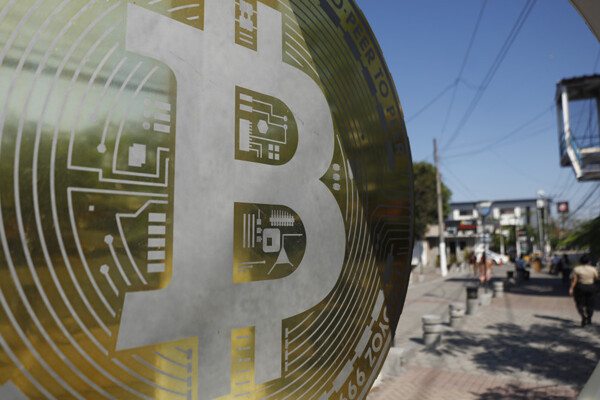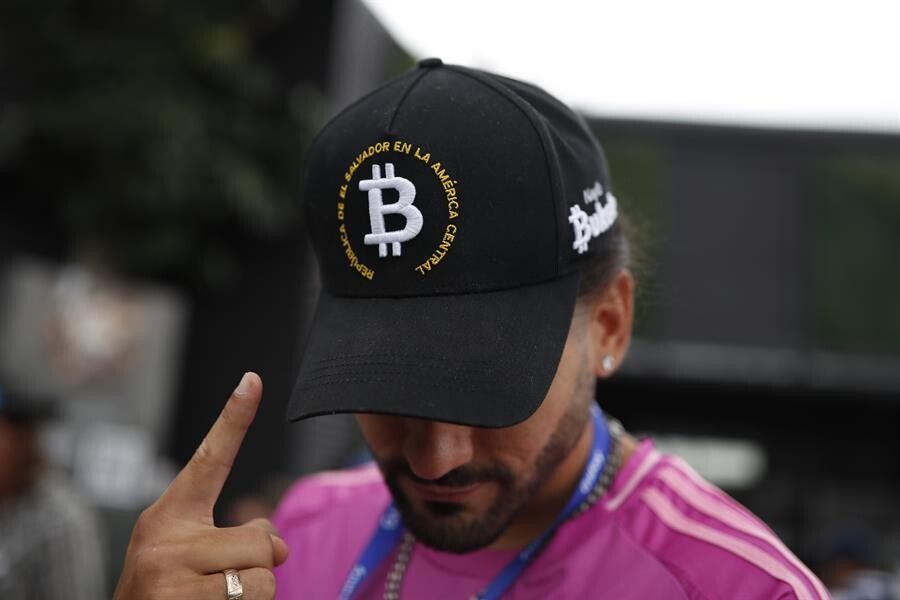
The Legislative Assembly of El Salvador, controlled by the ruling party, approved a reform to the Bitcoin Law that eliminates the requirement to accept this cryptocurrency for economic agents, along with the removal of the state's role in its use and the references that considered it a legal currency. The reform replaced Article 7 of the original law, which previously established the obligation to accept Bitcoin as a form of payment, with one that allows companies to decide whether or not to accept the cryptocurrency. This change responds to an initiative from President Nayib Bukele.
According to the approved reform, transactions with Bitcoin in El Salvador can now only be made between citizens and private companies, as public institutions are excluded from this requirement. Additionally, other articles of the law that mentioned Bitcoin as legal tender and established the possibility of paying taxes with the cryptocurrency, as well as the obligation of the state to provide mechanisms for Bitcoin transactions, were also removed.
The reform also indicates that debts incurred by the Salvadoran state, both locally and internationally, must be paid in the currency in which they were contracted. Despite the popularity of President Bukele, the adoption of Bitcoin in El Salvador has been questioned by the majority of the population. Recently, an agreement was announced between the Government of El Salvador and the International Monetary Fund for a loan of 1.4 billion dollars, which establishes conditions related to the use of Bitcoin in the country.
Stacy Herbert, director of the National Bitcoin Office of El Salvador, has stated that although the cryptocurrency will remain legal tender, its use will be limited to private sector investments. Furthermore, it is expected that the government wallet Chivo Wallet will be sold or discontinued. According to studies conducted in El Salvador, 92% of the population did not use Bitcoin in 2024, years after its implementation in the country.